Architects
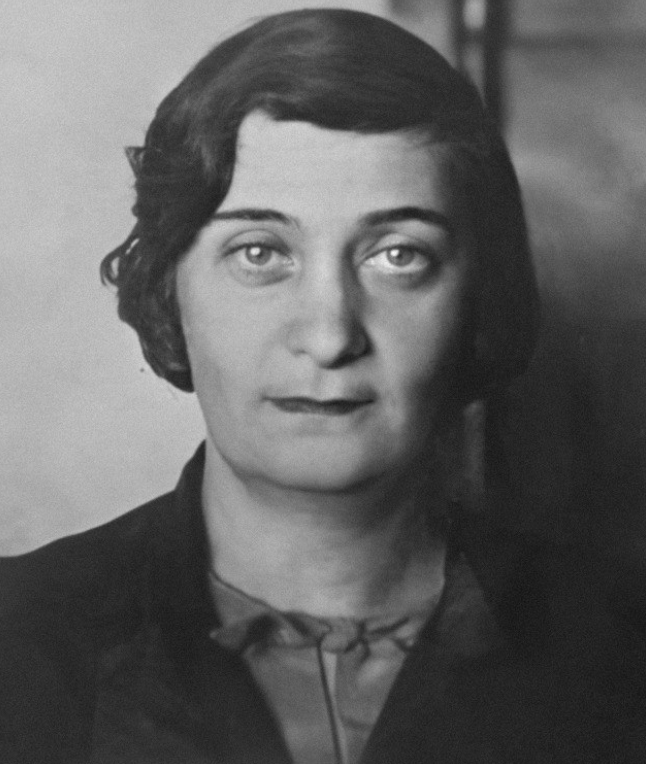
Konstantin Melnikov:
Konstantin Melnikov (1890–1974) was a leading Russian architect and one of the most distinctive voices of the Soviet avant-garde. Although his most active period lasted only through the 1920s and early 1930s, he created some of the era’s most innovative and recognizable buildings.
Melnikov trained at the Moscow School of Painting, Sculpture, and Architecture. After the Russian Revolution, a brief period of artistic freedom allowed architects to experiment, and Melnikov developed a style that stood apart from the more rigid approaches of his peers. Instead of following strict Constructivist rules, he focused on bold geometry, expressive shapes, and designs that were both practical and visually striking.
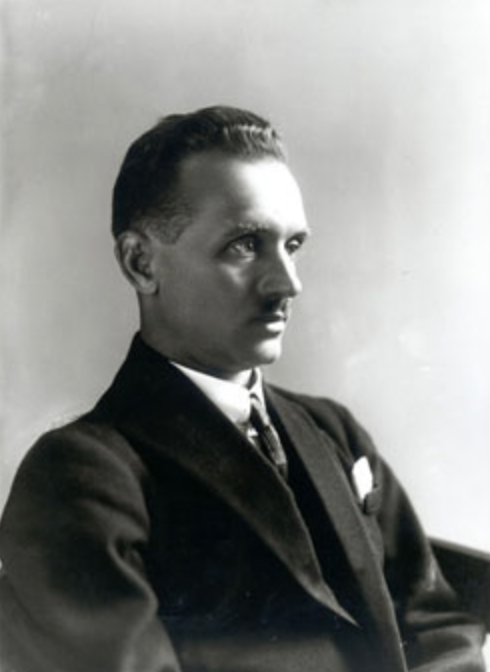
Moisei Ginzburg
Moisei Ginzburg (1892–1946) was one of the central figures in early Soviet modernist architecture — a theorist, educator, and founding member of the avant-garde architectural movement in the USSR. His 1924 book ‘Style and Epoch’ became the foundation for the Soviet variant of European modernism, getting rid of decorative historicism and embracing technology, industrial materials, and functional design.
Through both his writings and his architecture, Ginzburg helped shape Soviet housing and urban-planning ideals, laying groundwork for how modern architecture could serve society’s needs under a radically different political and social context.
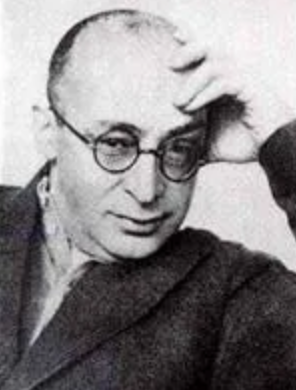
Ilya Golosov
Ilya Golosov (1883–1945) was a leading Soviet architect best known for his contributions to early Constructivism. Trained at the Moscow School of Painting, Sculpture and Architecture, he developed a style that emphasized strong geometric forms, clear structural expression, and bold visual impact. Golosov believed architecture should communicate power and purpose through simple, dynamic shapes rather than ornament.
His most famous work is the Zuev Workers’ Club (1927–1929) in Moscow, where he used intersecting cylinders, glass curtain walls, and sharp volumes to create one of the iconic symbols of Soviet avant-garde design. Although his early work was highly experimental, Golosov later adapted to the shift toward Stalinist monumentalism in the 1930s, producing more classical, symmetrical projects while still maintaining a sense of clarity and massing.
Overall, Golosov helped define the visual language of early Soviet modernism and remains a key figure in the history of 20th-century architecture.
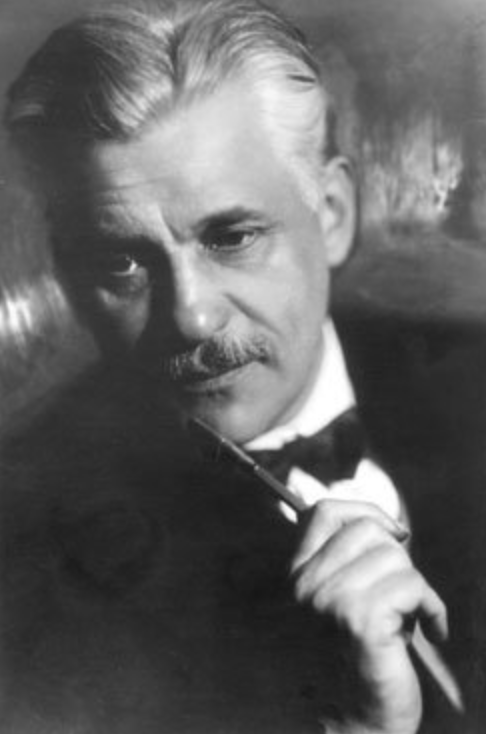
Grigorii Barkhin
Grigory Barkhin (1880-1969) played an important role in the early development of modern Soviet architecture. His work in the 1920s and 1930s helped shape the shift toward modernist and Constructivist design, which focused on clean lines, functional layouts, and new materials like reinforced concrete and large glass surfaces. Buildings such as the Izvestia Buildingshowed how architecture could reflect the Soviet ideals of efficiency, openness, and technological progress. Even as styles changed later, Barkhin’s early projects helped set the foundation for what became modern Soviet architectural identity.
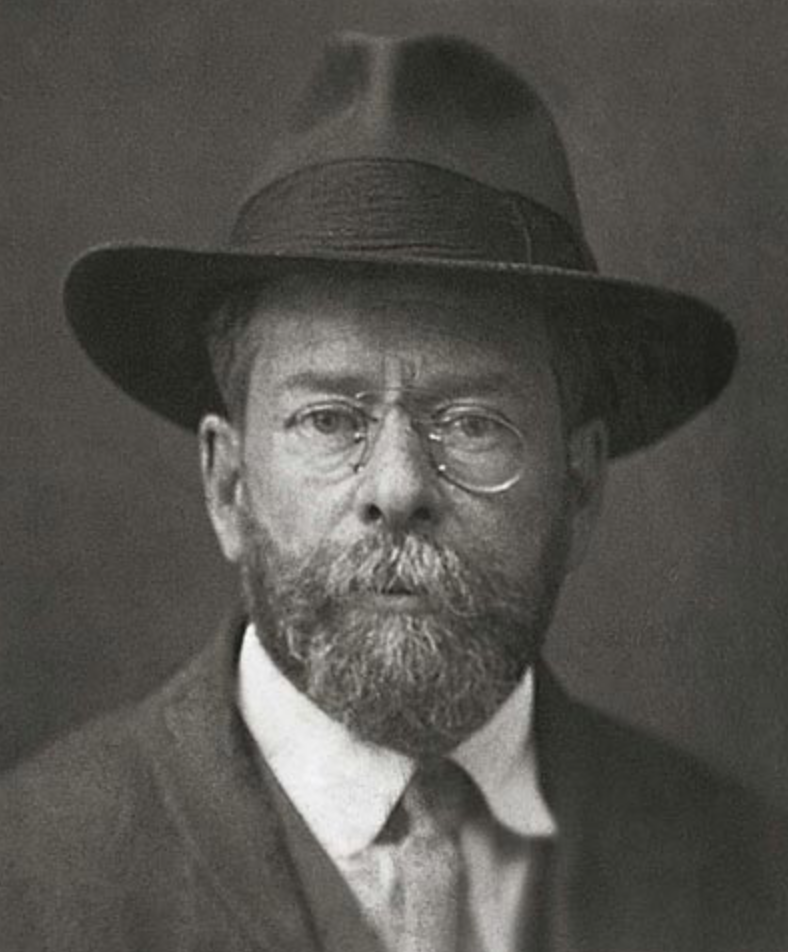
The Vesnin Brothers
The Vesnin brothers (Leonid, Viktor, and Aleksandr) were key pioneers of modern Soviet architecture in the 1920s. They were major leaders of Modern Soviet Architecture, a style that focused on clean lines, new materials, and practical, modern design. Their buildings and competition projects used glass, steel, and concrete to express technology, efficiency, and the goals of the new Soviet state.
They designed important works like the Palace of Labor project, the Leningrad Pravda Building, and buildings for the Dnieper Hydroelectric Station, which became models for modern Soviet architecture. They also led the OSA Group, which pushed for functional, people-centered architecture in the USSR.
Even though political changes later ended the avant-garde period, the Vesnin brothers’ early work set the foundation for Soviet modernism and influenced generations of architects.
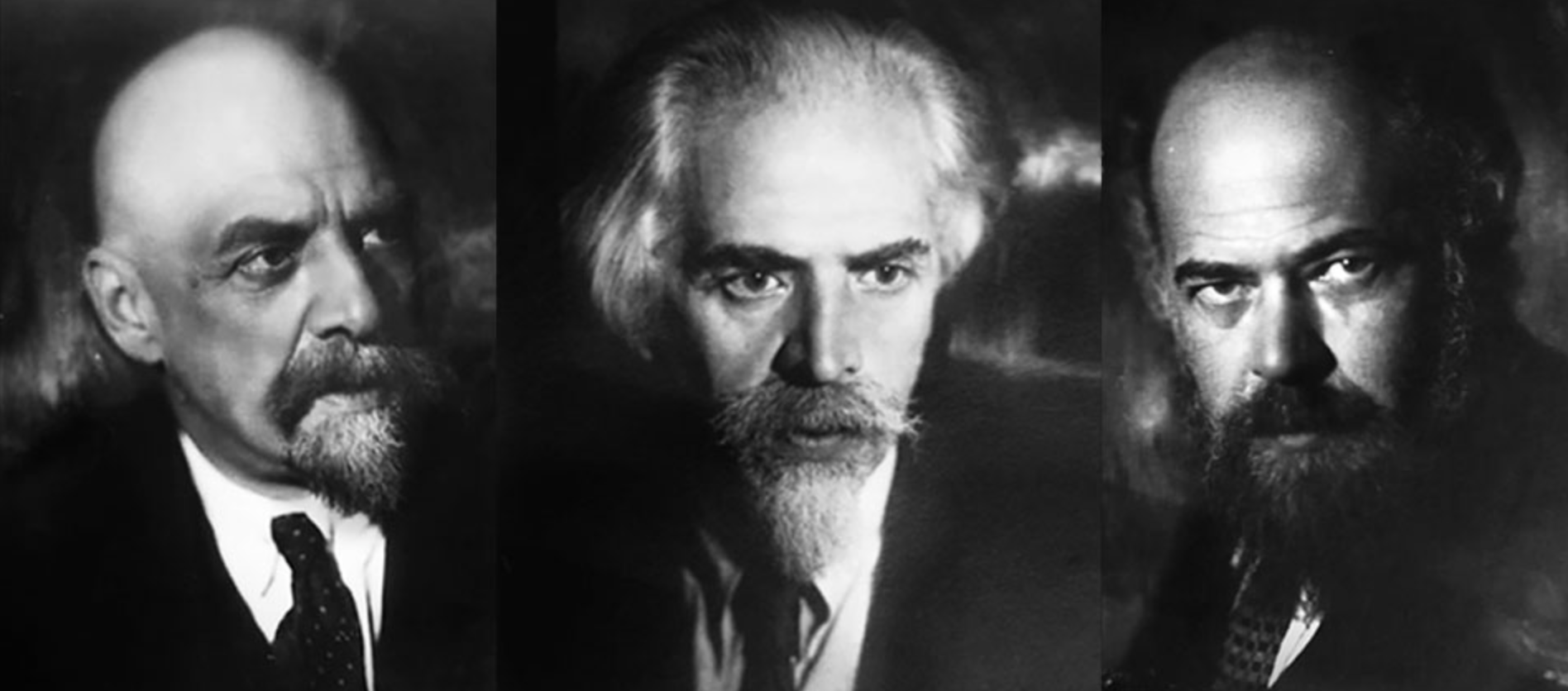
Ivan Fomin
Ivan Fomin (1872–1936) was a Russian architect born in Oryol and trained at the Imperial Academy of Arts in St. Petersburg. He began his career as a neoclassical architect, drawing heavily on ancient Roman and Greek forms. After the Russian Revolution, Fomin adapted his style to fit the new Soviet state, becoming a key figure in shaping modern Soviet architecture.
Through major public projects, urban planning work, and his role as a teacher, Fomin helped steer Soviet architecture away from experimental Constructivism toward the monumental style that later defined the Stalinist era
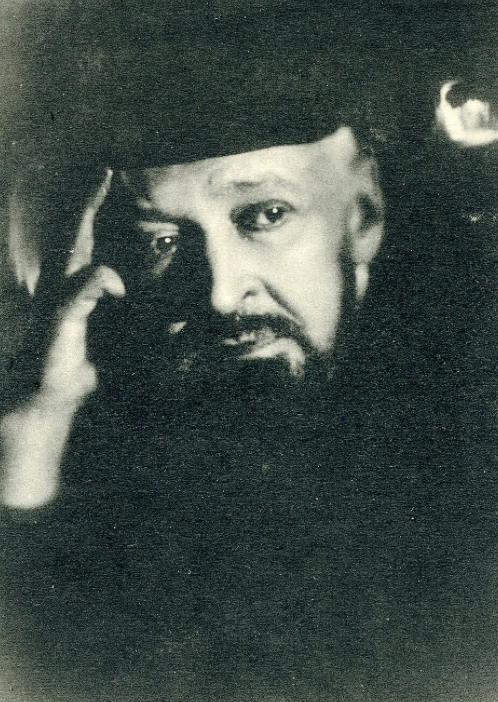
Moisei Ginzburg
Moisei Ginzburg (1892–1946) was one of the central figures in early Soviet modernist architecture — a theorist, educator, and founding member of the avant-garde architectural movement in the USSR. His 1924 book ‘Style and Epoch’ became the foundation for the Soviet variant of European modernism, getting rid of decorative historicism and embracing technology, industrial materials, and functional design. Through both his writings and his architecture, Ginzburg helped shape Soviet housing and urban-planning ideals, laying groundwork for how modern architecture could serve society’s needs under a radically different political and social context.
Evgenii Levinson
Evgenii Adolfovich Levinson was born in 1894 in Odessa. At the age of ten he was sent to a special high school in St. Petersburg. In 1915-16 he studied at the Institute of Civil Engineers. After the Bolshevik Revolution, he worked as a theater designer in Odessa. In 1924 (at the age of 30), he began studies at the Academy of Arts under the tutelage of the prominent architect Igor Fomin. By the 1930s, Levinson had become one of the leading architects of Leningrad. His many awards included the Stalin Prize (1951). He died in Leningrad in 1968
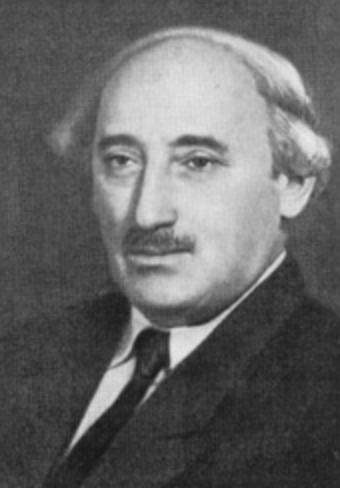
Noi Abramovich Trotsky
Noi Abramovich Trotsky was born in 1895 in St. Petersburg. He graduated from the Academy of Arts in 1920. He is famous for his Constructivist work in the 1930s, namely the Kirov District Administration building of 1938. Trotsky’s “House of Soviets” building in St. Petersburg was completed after his death and was the largest office building in St. Petersburg at the time. In 1936, the regional parliament of St. Petersburg decided to move the city’s administration to a new location and Trotsky’s design was chosen over ten other projects. From 1929 to 1939, Trotsky was a professor at the Academy of Arts. In 1939, he began teaching at the Saint-Petersburg State University of Architecture and Civil Engineering. He died in 1940 in Leningrad.
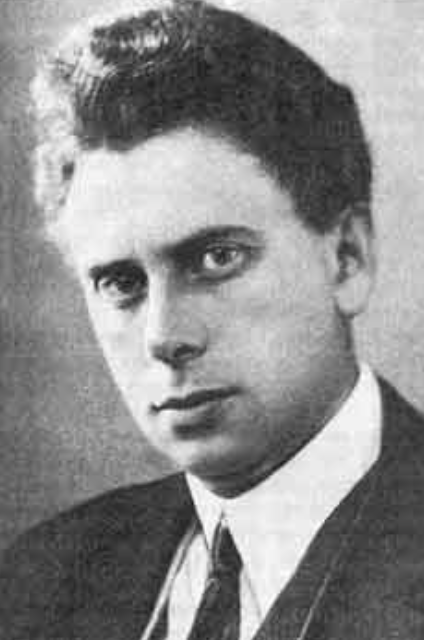
Yakov Osipovich Rubanchik
Yakov Osipovich Rubanchik was a Soviet architect active in the early to mid-20th century, born in 1899 in Taganrog. He graduated from the Higher Art and Technical Institute in Leningrad in 1928. In the 1930s, Rubanchik was a member of the Association of New Architects (ASNOVA). He designed many factory-kitchen buildings in Leningrad. From 1933 to 1941, he worked as the director of Workshop 1 of the State Institute of Urban Design. He died in 1948 in Leningrad.
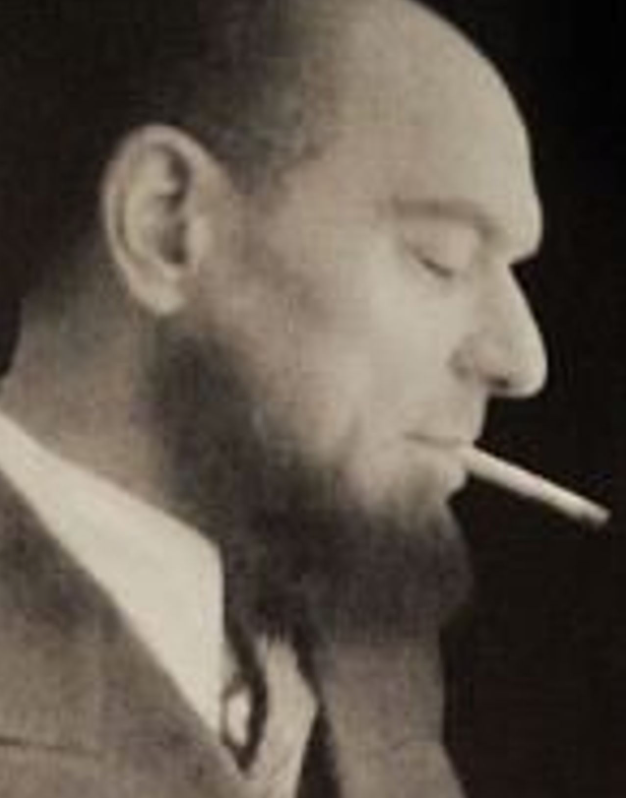
Tamara D. Katsenelenbogen
Tamara Davydovna Katsenelenbogen was a Soviet architectural historian active in Leningrad (now Saint Petersburg) during the mid-20th century. She was trained in architectural history and became known for her detailed archival research on Russian and Soviet architecture. Her scholarship focused on the development of urban planning, late Imperial architecture, and the stylistic shifts of the early Soviet period, including Constructivism and Stalinist architecture. Working within major academic institutions in Leningrad, she contributed to the documentation and preservation of the city’s architectural heritage.