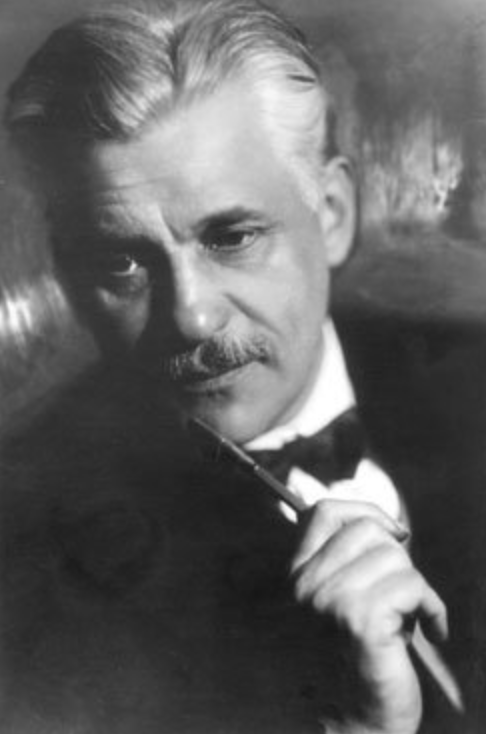
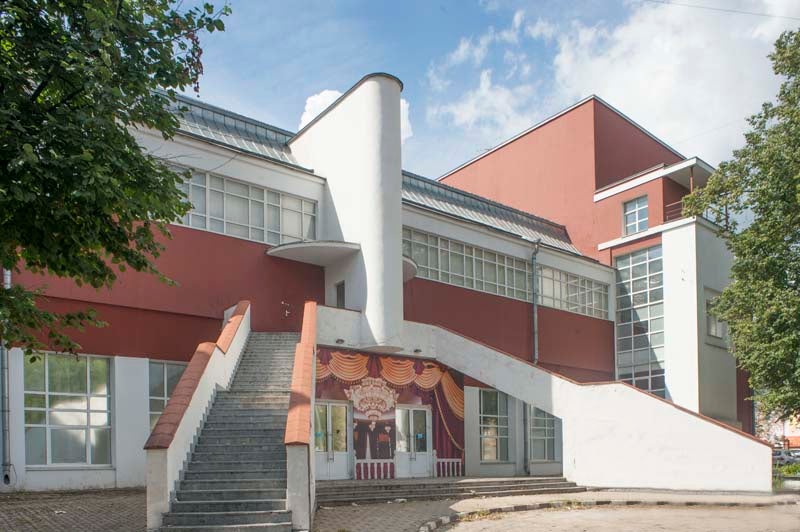
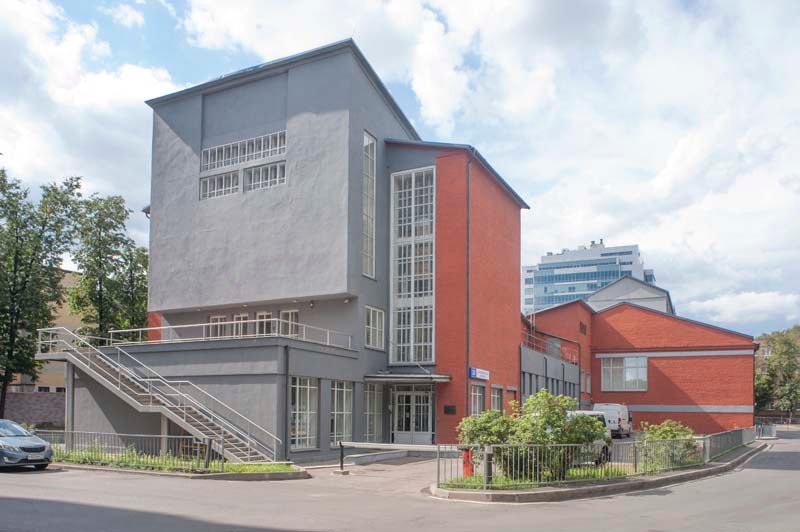
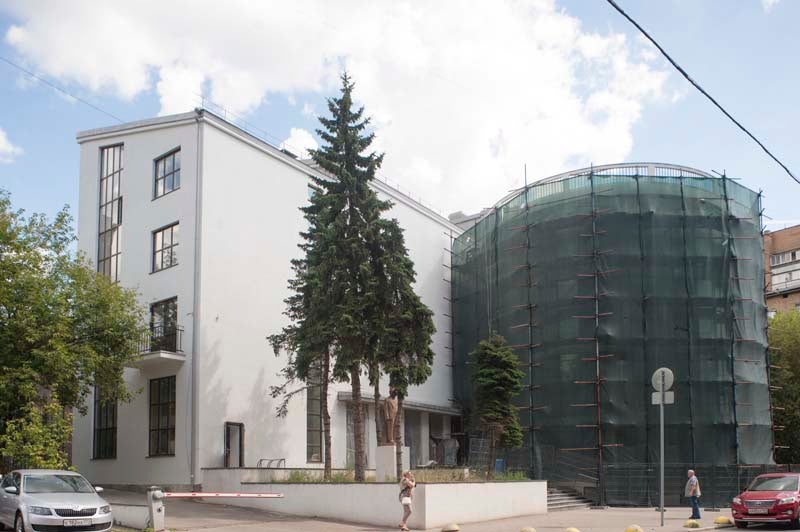
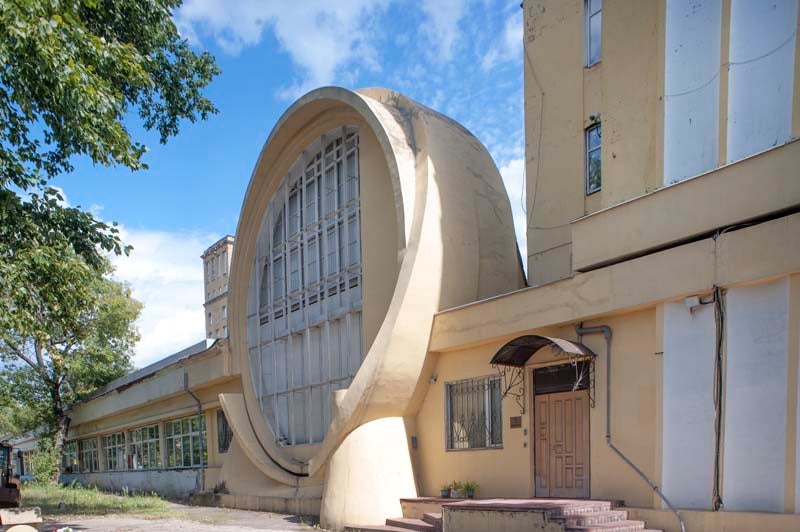
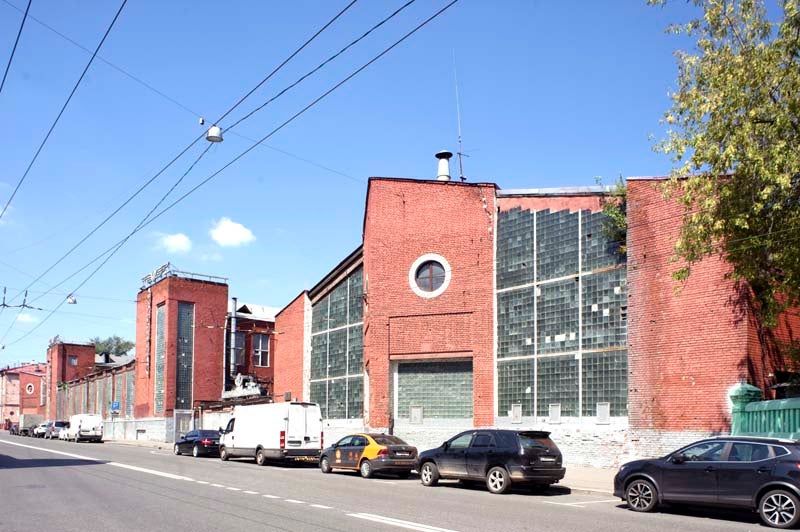
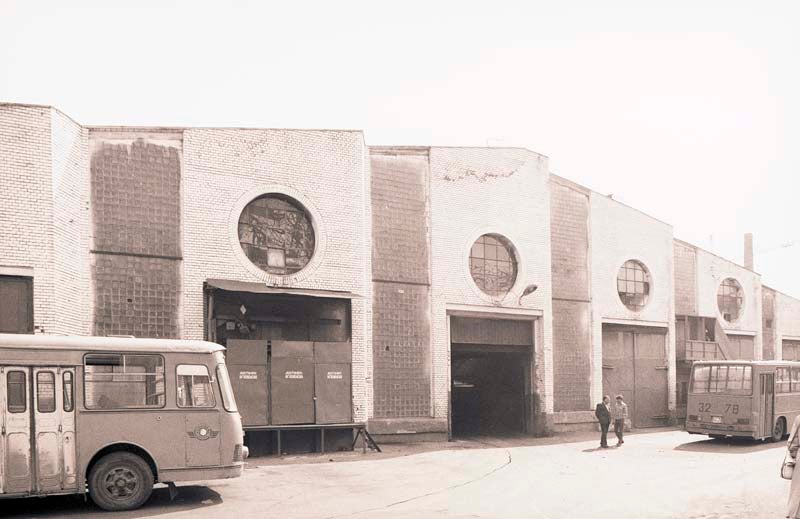
Ilya Golosov (1883–1945) was a leading Soviet architect best known for his contributions to early Constructivism. Trained at the Moscow School of Painting, Sculpture and Architecture, he developed a style that emphasized strong geometric forms, clear structural expression, and bold visual impact. Golosov believed architecture should communicate power and purpose through simple, dynamic shapes rather than ornament.
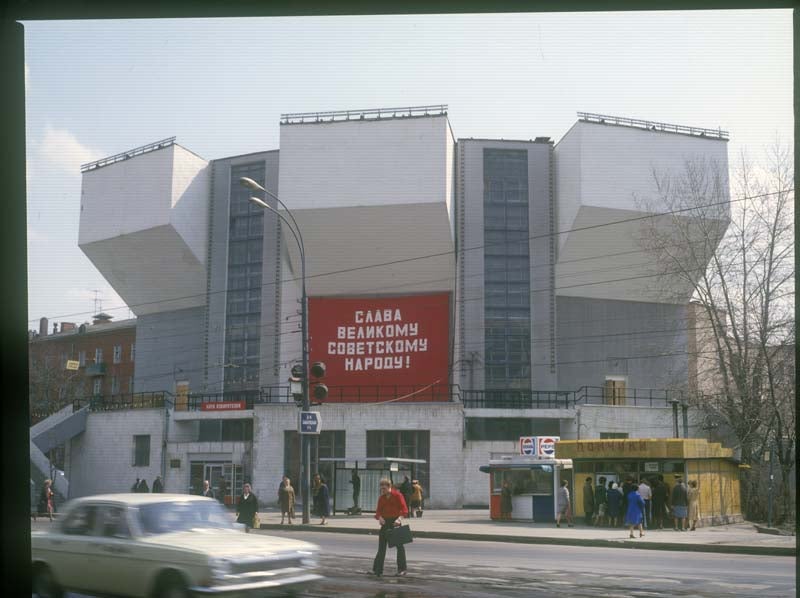
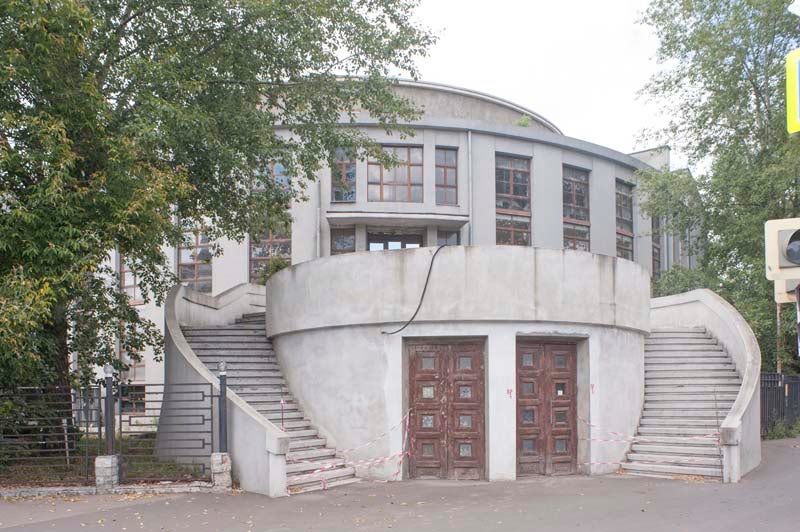
His most famous work is the Zuev Workers’ Club (1927–1929) in Moscow, where he used intersecting cylinders, glass curtain walls, and sharp volumes to create one of the iconic symbols of Soviet avant-garde design. Although his early work was highly experimental, Golosov later adapted to the shift toward Stalinist monumentalism in the 1930s, producing more classical, symmetrical projects while still maintaining a sense of clarity and massing.
Overall, Golosov helped define the visual language of early Soviet modernism and remains a key figure in the history of 20th-century architecture.