
Information About the Project
Modernism in Soviet Architecture in Photographs by William Brumfield
Introduction
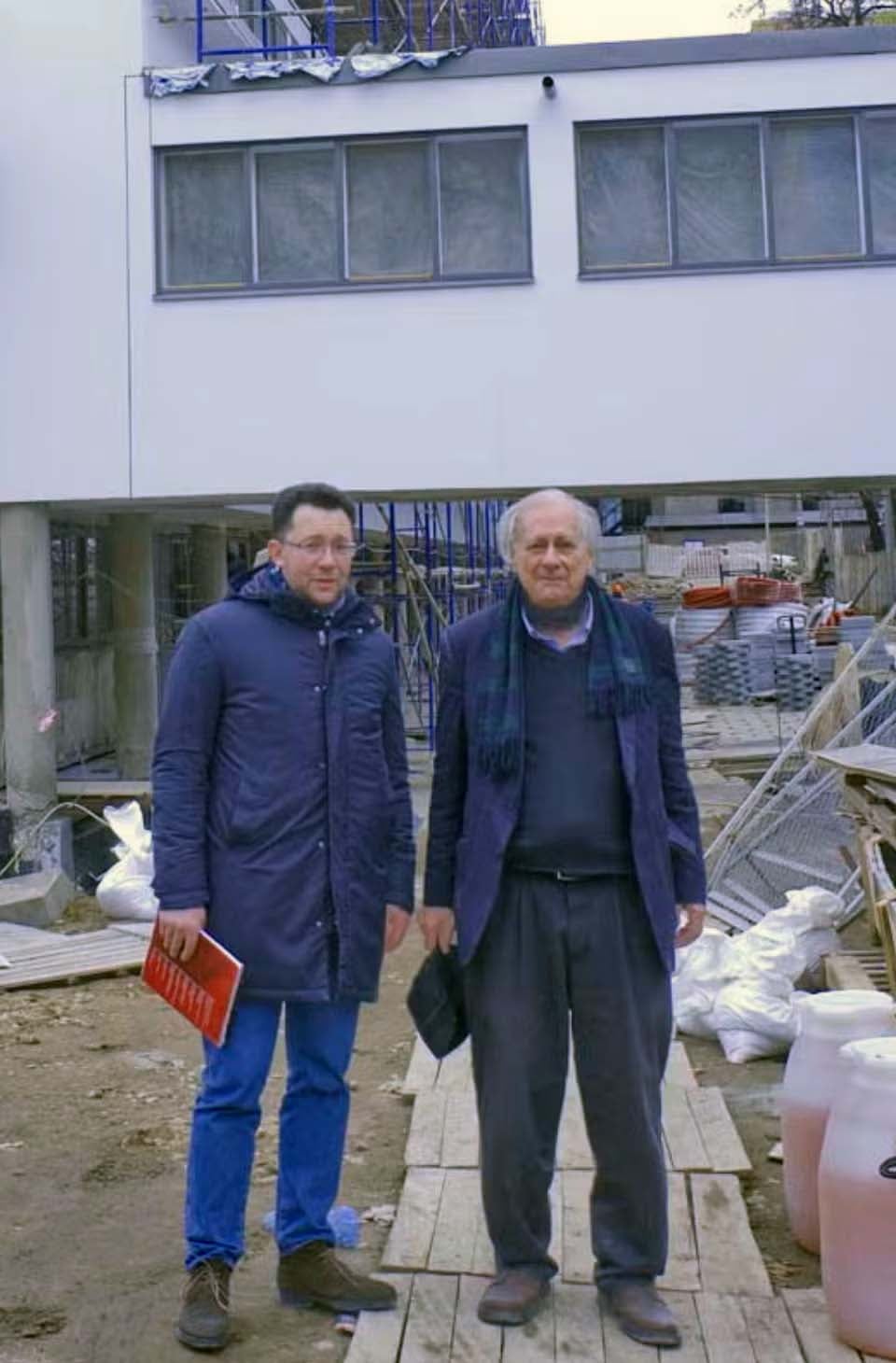
William Brumfield dedicated his life to studying Russian culture, living in Russia and the former Soviet Union for a total of fifteen years. While doing research for Moscow State University and Saint Petersburg State University, he extensively traveled the country and accumulated thousands of photos of Russian architecture. In my research for Professor Brumfield, I organized thousands of Soviet architectural images, ensuring accurate metadata and applying an understanding of modernism in Soviet architecture. This work culminated in the publication of a WordPress site showcasing residential buildings, social centers, garages, department buildings, and administravtive buildings. The site is designed to digitally showcase Professor Brumfield’s work in a format that encourages viewers to explore and recognize recurring themes of modernism in Soviet architecture.
Discussion
Brumfield took these photographs over 50 years, from 1970 to 2019. They form part of Brumfield’s comprehensive project to document Russian architecture throughout its history and are part of the William Craft Brumfield Collection at the National Gallery of Art. The WordPress project’s benefit is extracting this architectural period from his general collection, which always included Modernism in Soviet Architecture. These structures were designed to change the cityscape of major Russian centers and were, therefore, always his view.
Description
One of the distinctive characteristics of modernism in Soviet architecture during the mid-twentieth century was its commitment to rational design and the integration of industrial efficiency into the urban environment. Whereas earlier architectural movements had emphasized decorative monumentalism, modernist architects sought clarity of form, standardization, and functionality in structures ranging from apartment housing to communal garages. These designs reflected both the technological optimism and the ideological aspirations of the Soviet state, emphasizing the creation of spaces that would serve collective needs rather than individual luxury.
Residential housing during this period adopted geometric simplicity and modular construction, often employing prefabricated materials to accommodate rapid urbanization and postwar reconstruction. Garages and service buildings, once peripheral to architectural discourse, became emblematic of this modernist ethos—unadorned, pragmatic, and closely tied to the rhythms of industrialized life. The overall effect was a built environment characterized by clean lines, repetitive facades, and an aesthetic of purpose, expressing the broader modernist goal of aligning architecture with progress, production, and social equality.

Site Designed by Sophia Clements, Tulane University 2026.